
"coffee cultivation history"
4000 article(s) found

History of Coffee planting in the World
Coffee production in China has experienced a tortuous course of development. From the 1950s to the early 1960s, coffee production had a peak period. In 1960, the planting area of the whole country reached 130000 mu, with an annual output of more than 300t.

Jamaica Blue Mountain Coffee Bean Flavor Taste Market Cultivation History Brief Introduction
The Jamaica Coffee Industry Board was established by the Government of Jamaica in 1950 to establish quality standards for Jamaica coffee and oversee the implementation of quality standards to ensure the quality of Jamaica coffee. The Commission awards a special official seal to Jamaica's exports of green and roasted coffee, the highest grade of national coffee in the world

Who knows the history of coffee? The time point in the history of coffee
There are different legends about the origin of coffee. Among them, the most common and popular story is the Shepherd's Coffee. Legend has it that there was a shepherd who happened to find his sheep jumping and dancing while herding sheep. If you look carefully, it turns out that the sheep ate a kind of red fruit that led to their funny behavior. He tried to pick some of these red fruits and boil them, but he didn't want to.

Colombia Coffee Features Colombia Coffee Flavors
The history of coffee cultivation in Colombia can be traced back to the Spanish colonial era in the 16th century. There are also many sayings about the history of coffee in Colombia: First, it is said to have been transmitted from the Caribbean island of Haiti via El Salvador in Central America. Second, coffee beans were first introduced into Colombia in 1808 by a priest from the French Antilles via Venezuela. one of

The History of Coffee in Colombia traces to Coffee Culture
The history of coffee cultivation in Colombia can be traced back to the Spanish colonial era in the 16th century, and there are many theories about the history of coffee in Colombia: one: it is said to come from the island of Haiti in the Caribbean and from El Salvador in Central America. Second: in 1808, a priest introduced coffee beans to Colombia for the first time from the French Antilles via Venezuela. One of them
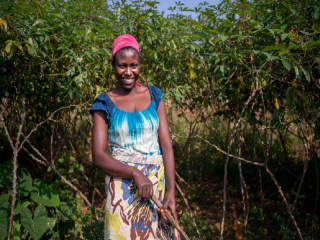
Congolese Coffee | History of Coffee cultivation in the Democratic Republic of the Congo _ introduction to the producing areas of Congolese coffee beans
Coffee from the Democratic Republic of the Congo was introduced from Liberia in 1881. When the Congo officially began to grow coffee in 1898, because of the Belgian colonial invasion, the Belgian colonists discovered a new coffee tree species native to the Democratic Republic of the Congo. It was so strong that it was named Robusta.

An introduction to the History of Coffee cultivation in the Diamantina Valley of Brazil
For more information on coffee beans, please follow the coffee workshop (official Wechat account cafe_style) to produce coffee in Shapada Diamantina. It was rated as the best coffee in Brazil, about 560km from BA, the capital of the Brazilian state of Bahia, and the city of Piat, with a population of less than 20, 000, won the 15th Brazilian Coffee early Harvest Cup in 2014.
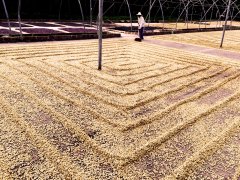
Bourbon characteristics of the History of Coffee cultivation in El Salvador, the birthplace of Pacas Pacamara Coffee beans
Position in the world as a coffee exporter (19gam20): sacks exported annually on the 19th (60kg) (19gam20): about 546000 percentage of the world coffee market: less than 1 per cent of other major agricultural exports: typical varieties of sugar, corn, rice, beans: bourbon, Pacas, Pacamara, Kaddura and Katuai major coffee producing areas

Coffee Culture History Coffee Culture in China
The history of the introduction of coffee into China is not long, and it was not until 1884 that coffee was first planted in Taiwan Province. In the mainland of the motherland, the earliest coffee cultivation began in Yunnan. At the beginning of the 20th century, French missionaries brought the first batch of coffee saplings to Binchuan County, Yunnan Province, and began to grow coffee in the mainland. In terms of natural conditions, many parts of our country and
The History of Cuban Coffee
In 1748, coffee was introduced into Cuba from Dominica, and Cuba began to grow coffee ever since. With fertile land, humid climate and abundant Rain Water, Cuba can be called a natural treasure land for coffee cultivation. The suitable natural conditions provide a favorable natural environment for the growth of coffee trees, and coffee is well planted and developed here. In Cuba, the cultivation of coffee is regulated by the state. Cuba is the most

History and culture of Cuban coffee
Coffee was introduced to Cuba from Dominica in 1748, and Cuba has since grown coffee. The fertile soil, humid climate and abundant rainfall in Cuba make it a natural treasure for coffee cultivation. Suitable natural conditions provide a favorable natural environment for the growth of coffee trees, where coffee is well planted and developed. In Cuba, coffee cultivation is regulated by the State. Cuba

A brief introduction to the history and culture of the origin and development of plain and mild Ugandan boutique coffee beans
Uganda is the country of origin of coffee grown in Robusta, but commercial cultivation of Arabica species here did not begin until early 1900. Today, there are still a large number of wild robusta coffee trees in Uganda, which is rare in cities in the world. As a landlocked country, the large coffee cultivation in Uganda is often interplanted, where coffee trees are mixed with food crops and rubber trees.

Coffee planting History-introduction to planting conditions and methods
Although Arabs ban the export of coffee seeds, they are indeed very open inside. The first coffee houses known as Kavin Kahn opened in Mecca, and for the first time in human history, anyone who spent a cup of coffee could go in and sit in a comfortable environment to do business and date. Coffee enters Asia. Arabs fail to make coffee.

Introduction to the flavor and taste of coffee manor in Baisheng Village, Taiwan Coffee History
The history of Taiwan's formal systematic cultivation of coffee can be traced back to the period of Japanese occupation. In the early stage, due to poor cultivation techniques and poor fermentation treatment, the flavor appeared chaotic; but in recent years, with the substantial growth of the population drinking coffee, the demand for high-quality coffee is thirsty, so Taiwan coffee farmers, with the assistance of agricultural administrative units, start to improve the soil quality and crop environment in many ways.

Are there any inherent conditions for growing coffee beans in Yunnan? what is the quality of Yunnan Zhenxuan coffee beans?
Professional coffee knowledge exchange more coffee bean information Please follow the coffee workshop (Wechat official account cafe_style) Coffee cultivation in Yunnan has a long history. In 1892, French missionary Tian Deneng came to Zhukula Village in Binchuan, Dali for missionary activities and planted the first coffee bean here. The planted coffee seed gave birth to the life of coffee for the first time in Yunnan, China.

The Origin and History of Coffee beans
By the 16th century, early merchants had sold coffee in Europe, thus introducing coffee as a new drink into Western customs and life. Most of the coffee exported to the European market comes from Alexandria and Smyrna, but with the growing market demand, high tariffs imposed by import and export ports and people on coffee trees

The history of coffee cultivation in Hawaii can be traced back to 1813
More information about coffee beans Please follow Coffee Workshop (Wechat official account cafe_style) Coffee Workshop (official Wechat account) Coffee Workshop (official account Coffee House) Coffee Factory (official account Wechat) Coffee Factory in the United States the Hawaiian Islands is the only state that produces coffee in the United States, it is a perfect coffee-growing area, and the coffee beans produced are internationally renowned and regarded as one of the best coffees in the world. Volcanic soil and tropics

Coffee producing area of Cayansa Province, Burundi introduces the history and current situation of coffee cultivation in Burundi.
For professional baristas, please follow the coffee workshop (official Wechat account cafe_style) about Burundian Coffee Burundi is a small landlocked country in central Africa on the Great Rift Valley, bordering Tanzania, Congo and Rwanda. It is slightly smaller than Taiwan and has a large population, making it the second most densely populated area in Africa. There are great ups and downs in the territory, and there is a famous tan in the southwest.

History of Cuban Coffee Culture of Cuban Coffee City
Coffee was introduced to Cuba from Dominica in 1748, and Cuba has since grown coffee. The fertile soil, humid climate and abundant rainfall in Cuba make it a natural treasure for coffee cultivation. Suitable natural conditions provide a favorable natural environment for the growth of coffee trees, where coffee is well planted and developed. In Cuba, coffee cultivation is regulated by the State. Cuba

Zambian coffee beans flavor characteristics Introduction to Zambian coffee cultivation development history story
Professional coffee knowledge exchange More coffee bean information Please pay attention to coffee workshop (Weixin Official Accounts cafe_style) Zambia Zambia has built a coffee business platform for less than 50 years, and is a relatively rising star in the coffee world, especially in the field of fine coffee. But because of this, Zambia, led by large coffee plantations, has basically modernized its coffee industry.